
Chief Executive Officer, Havas Red
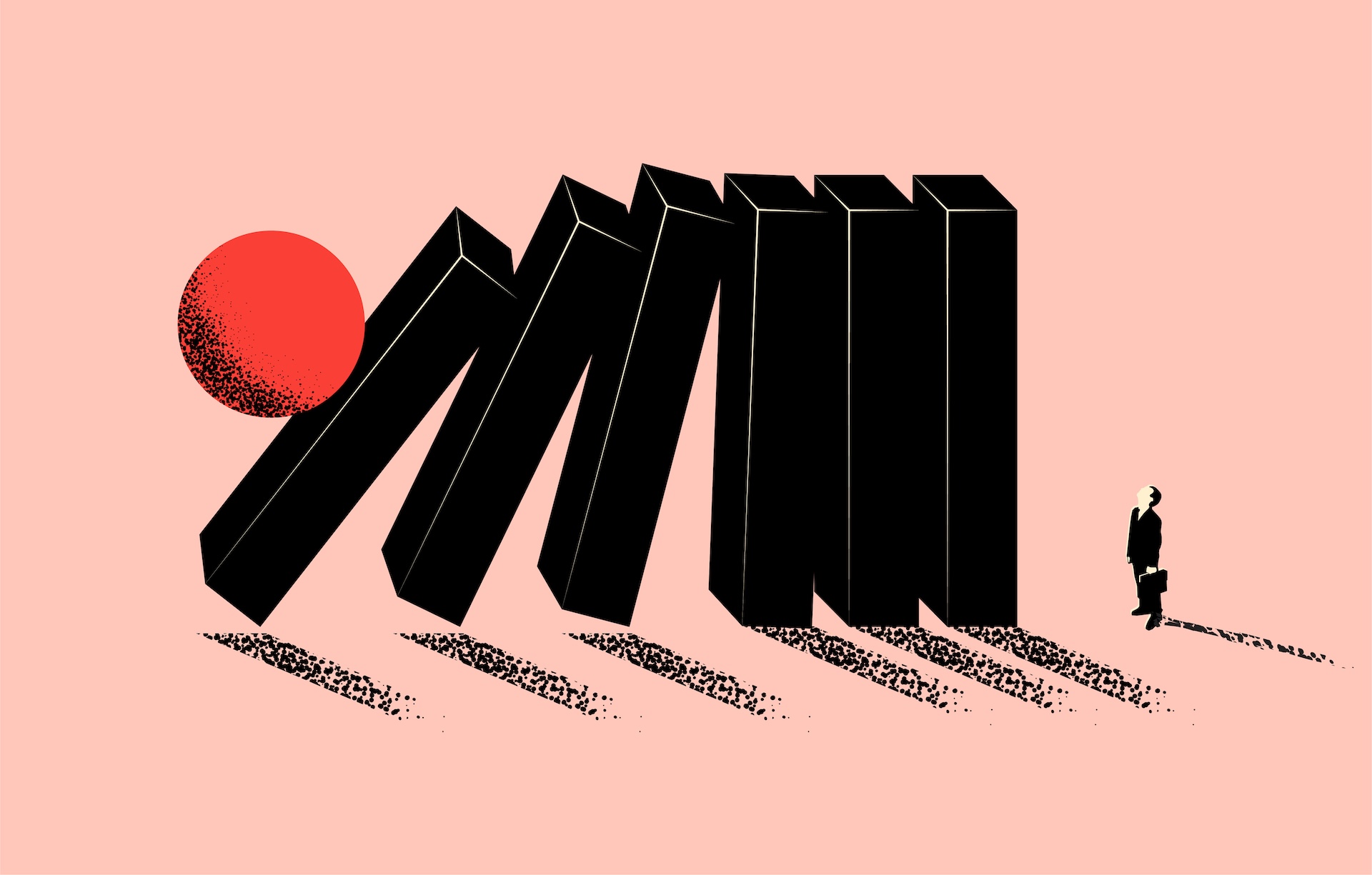
If our 2026 Red Sky Predictions report has a headline act, it’s this: crisis isn’t a plot twist anymore, it’s the plot. Geopolitical shocks, climate volatility, economic whiplash, and an AI‑fuelled information fog have turned “crisis comms” from an occasional fire drill into a standing operating procedure. The smart take is not how to avoid the next issue, but how to function while it’s happening.
Here’s the uncomfortable truth leaders need to accept. Most organisations still treat crisis like an exotic animal that occasionally wanders into the lobby. In 2026, it’s more like the office dog. It’s under your desk. It’s on Slack. It needs a walk. Crisis readiness needs to be a core competency, not a niche skill, because the hit rate of disruptive events across markets is simply higher than it used to be. Waiting for “normal” to return isn’t a strategy. It’s nostalgia.
So, how do you build for BAU in crisis without turning the business into a bunker?
Traditional crisis plans are marinated in hypotheticals and file away neatly. Playbooks are living, tested, and messy. They name the people who act, the windows of time, the thresholds for escalation, and the evidence standards for statements. Treat readiness like a muscle you train, not a PDF you archive. Quarterly wargames, red‑team simulations, and short decision cycles beat polished binders every time.
In a generative‑everything environment, misinformation can outrun your best intentions. You must have concise claims, sources, and receipts. If your statement can’t be grounded by answer engines and journalists, it will be remixed by the internet for sport. Build an “evidence room” that houses methods, third‑party validation, and change logs. You’re not just convincing people; you’re feeding the machines that summarise you.
The paradox is simple. You must move fast, but you cannot be sloppy. Tone testing and scenario rehearsal are ways to keep speed from becoming noise. Pre‑draft holding lines and FAQs for recurrent risks. Pre‑clear legal language that can ship within minutes. Then rehearse the stitches between teams until they’re muscle memory. “Crisis mode as BAU” means the calendar includes drills, not just launches.
Another prediction in the same report: closed communities are overtaking public feeds for influence. In a crisis, these rooms are where rumours settle and trust compounds. If you’re only broadcasting to the algorithm, you’re talking at people, not with them. Build credibility in private channels before you need it. The day you ship a tough update, the moderators and regulars you’ve supported will buy you time and context.
Crisis readiness has a cost. So does improvisation. You need proof of ROI in a year that punishes generic activity. It’s easier to fund wargames, monitoring, and resilient content when you show how readiness reduces paid burn and reputational drag. Bold ideas still matter, but BAU crisis mode means bold and grounded, not bold and flammable.
Waiting for a single brilliant spokesperson is romantic and risky. Instead, think team habits: disciplined escalation, multi‑disciplinary response squads, and shared context. Crisis BAU is choreography. Legal, comms, product, HR, and security need a common rhythm, especially when issues stack … a data glitch on Monday, weather event on Wednesday, regulatory query by Friday.
No, you don’t joke through a recall. But you can speak like people, not press releases. The best crisis BAU voices are clear, humble, and specific. They avoid corporate Sudoku. They say what happened, what you’re doing, and when you’ll be back with more. If you’ve built equity in everyday channels (think service updates, small wins, honest misses) your audience will read hard news with less suspicion. The report’s broader theme is that raw beats polished in content. That holds doubly true when the stakes are high.
A quick mental model to take into your next exec meeting:
If that sounds like a lot, it is. But it’s less work than rebuilding trust every quarter because the company hoped the storm would pass. The uncomfortable comfort is this: once crisis becomes your BAU mindset, the organisation gets calmer. You stop arguing about whether to call it a crisis. You start asking better questions. What do we know. What do we owe. Who needs to hear first. And how fast can we prove it.
That, more than any template, is the mark of a team built for 2026
Take the next step and reach out today.